As cooler weather sets in and we start spending more time indoors, fireplaces naturally become a bigger part of how a home feels and functions. Whether you’re updating an existing space or planning a full remodel, homeowners often ask the same question this time of year: What type of fireplace actually makes the most sense for my home?
With over 30 years of experience in custom residential construction and home renovations, the team at Norm Hughes Homes has helped homeowners weigh these decisions countless times. The right fireplace isn’t just about looks — it’s about how you live, how you use the space, and what tradeoffs you’re comfortable with long term.
This guide breaks down the real-world pros and cons of the three most common fireplace options: wood-burning, gas, and electric.
Wood-Burning Fireplaces
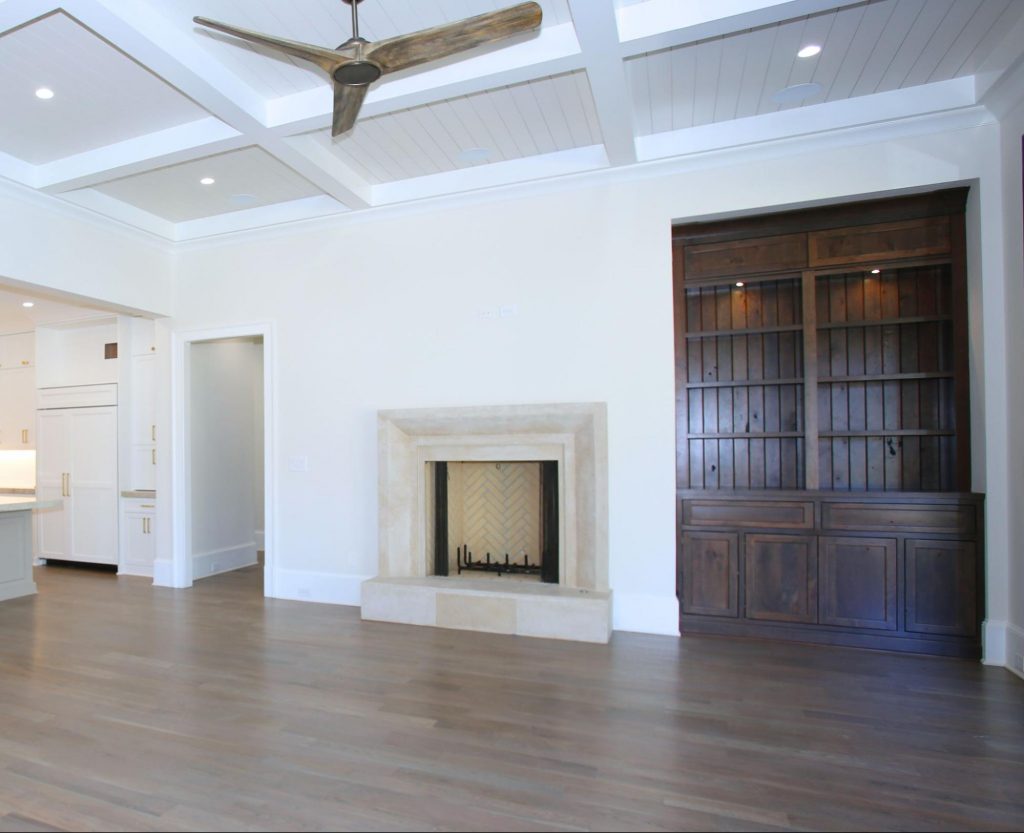
Wood-burning fireplaces offer the most traditional experience — real flames, real logs, and that unmistakable crackle many homeowners love. They often become a strong focal point and add a timeless, cozy character to a home.
Pros:
- Authentic flame, sound, and smell
- Strong visual impact and traditional appeal
- Can be a true source of emergency heat
Cons:
- Requires storage space for firewood
- Chopping wood, or buying cords from someone else
- Chimney maintenance is required for safety, as are screens
- Can be messy to clean up
- A large amount of heat is lost from venting in the chimney
- Often the most expensive option when it comes to homeowners’ insurance
Gas Fireplaces
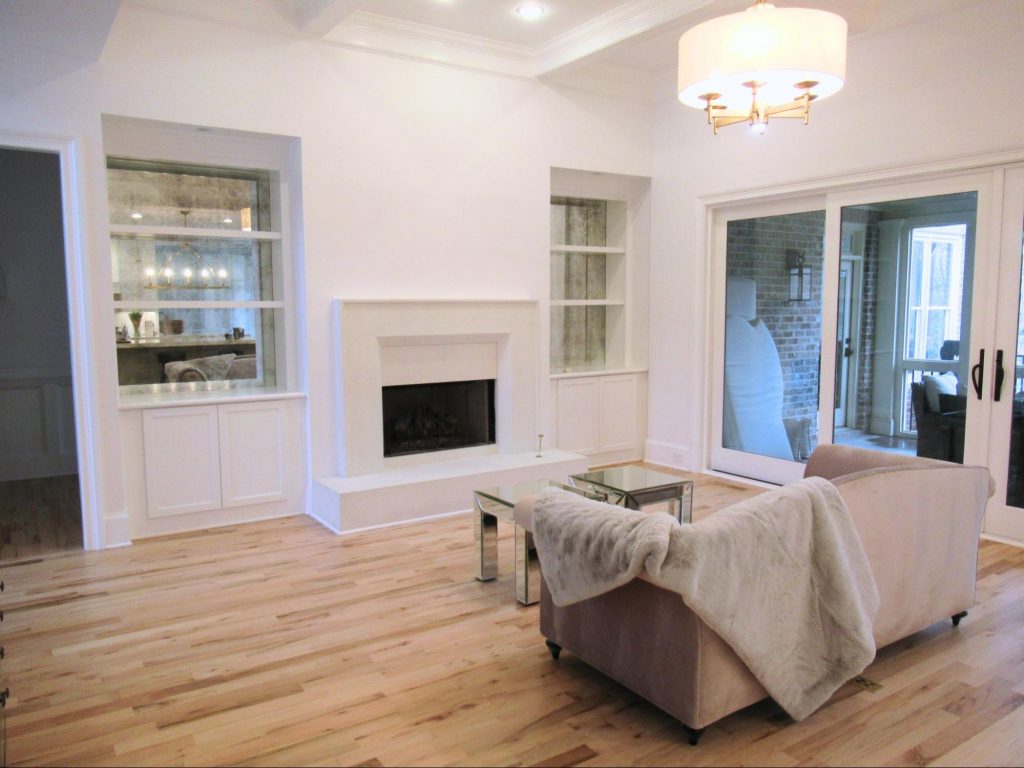
Gas fireplaces have come a long way in recent years. Modern gas log systems do an excellent job simulating the look, flame color, and even the crackle of a wood-burning fire — without the same level of maintenance.
Pros:
- Easy to use with thermostatic controls
- Consistent heat and reliable performance
- Minimal cleanup compared to wood
- Wide range of styles, burners, and log options
- Ventless options mean less wasted heat/energy
- Most continue to work during a power outage for emergency heat
Cons:
- Requires fuel supply (natural gas or propane)
- Operating costs vary depending on fuel type and location
- Vented systems give up a large portion of your heat/energy
- Many fear gas as a fuel in their home, despite the safety of modern equipment
Electric Fireplaces
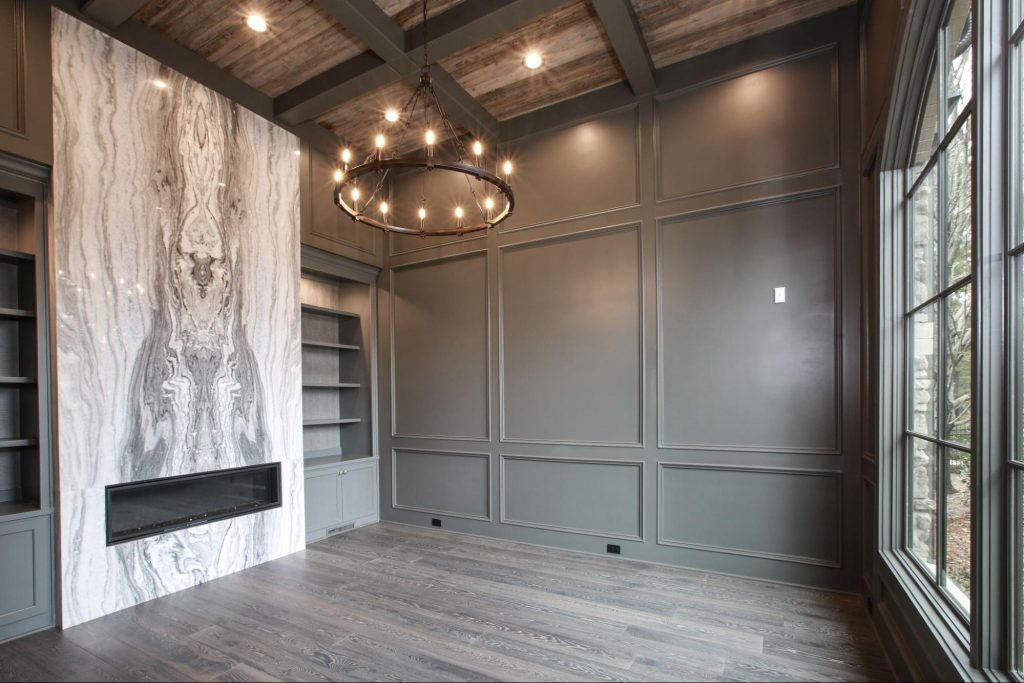
Electric fireplaces are one of the most flexible options available, especially for renovations where adding venting or fuel lines isn’t practical. Because they don’t produce fumes, electric fireplaces don’t require any venting, so you have more options for where you can place them.
Pros:
- Easy to install and highly versatile
- Lowest insurance impact of the three options
- Thermostatic controls and adjustable heat settings
- Works well in a wide range of spaces
Cons:
- Least efficient when it comes to cost-to-operate for heat
- Flames are simulated rather than real
- Primarily used for ambiance rather than heating
- Not an emergency source of heat during power outages
Choosing the Right Fireplace for Your Home
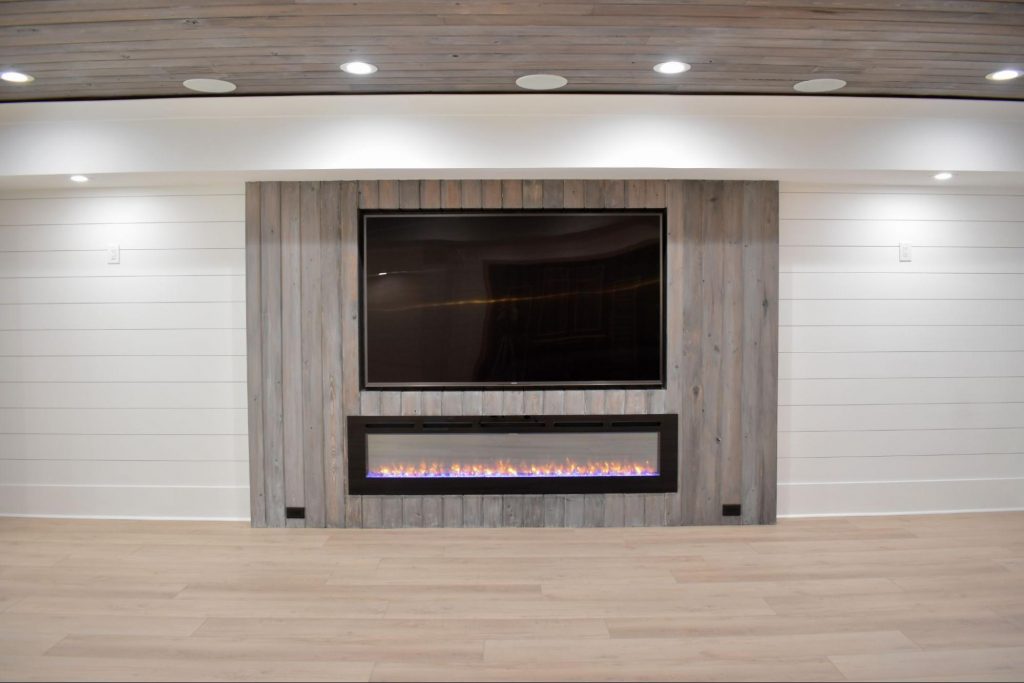
There’s no one-size-fits-all answer when it comes to fireplaces. The best choice depends on how you plan to use it, the level of maintenance you are willing to undertake, and how the fireplace fits into your overall renovation goals.
Our team at Norm Hughes Homes can help walk you through these options and guide you toward a fireplace that makes sense for your home and lifestyle.
Ready to explore fireplace options for your home? Contact us today to start the conversation with our team.